

Family Safe Word: A Simple Defense Against Voice Cloning Scams
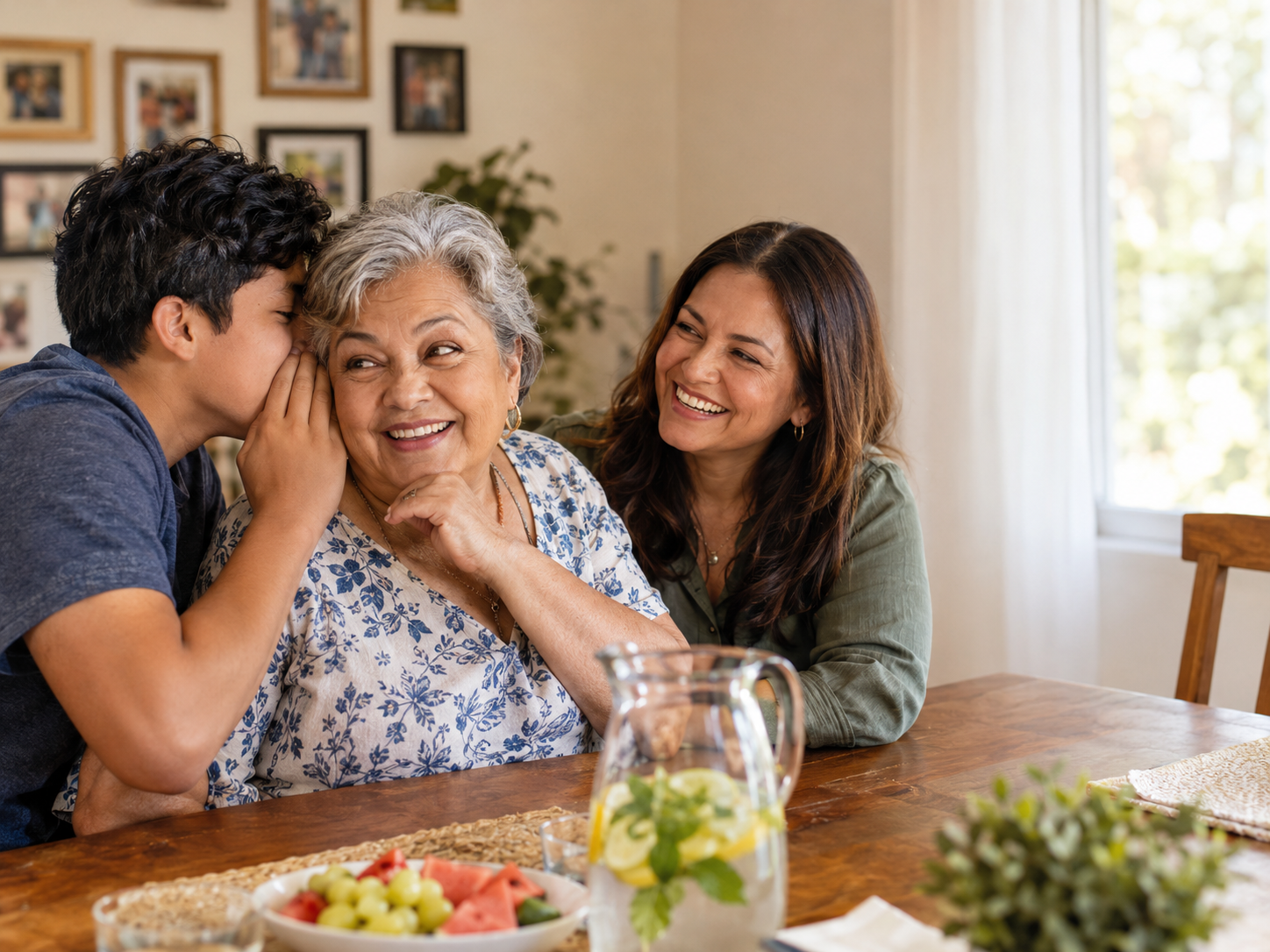
The phone rings, and the voice on the other end sounds exactly like your grandchild. They’re crying, scared, and say they’re in trouble. They need money right now, and they beg you not to tell their parents. Your heart is racing, and every instinct says to help.
Here’s what has changed: with today’s technology, scammers can copy a person’s voice. In some cases, a short clip from a social media video or a voicemail greeting is enough. That means a voice that sounds exactly like someone you love is no longer proof that it is them. The good news is that there’s a very simple, free defense, and it takes five minutes: a family safe word.
How These Scams Work
The caller sounds like a family member and claims there’s an emergency: a car accident, an arrest, a hospital stay, or being in danger. They’re panicked and rush you. Then someone, a “lawyer,” “police officer” or “bail bondsman,” takes over the call and explains how to send money, usually by gift card, wire transfer, cryptocurrency or a courier who comes to your door to collect cash.
The urgency and the emotion are the real tools. They want you to act before you think.
What Is a Family Safe Word?
A safe word is a secret word or short phrase that only your family knows. If someone calls claiming to be a family member in an emergency, you ask for the safe word. The real person will know it. A scammer, or a computer-made voice, won’t.
How To Set One Up
Choose something random and easy to remember. For example, “blue kangaroo” or “purple lighthouse.” (Make up your own, and don’t use these.)
Avoid anything easy to find or guess, like pet names, birthdays, street names, schools or favorite teams, which may already be on social media.
Share it in person or by phone. Don’t send it by text, email or social media.
Make sure everyone knows it, including grown children, siblings and the grandkids who are old enough to understand.
Agree on when to use it: any urgent call or message asking for money, help or secrecy.
Change it if you think it has been exposed, for example if someone mentioned it in a public post or a message.
A safe word is also handy for other situations, like confirming that someone you didn’t expect is allowed to pick up a child.
When an Urgent Call Comes In
Ask for the safe word. Say it calmly: “What’s our safe word?”
Don’t give hints. Don’t say “Is it the dog’s name?” Scammers will repeat whatever you offer.
If they can’t answer, or they get upset and say there’s no time, that tells you what you need to know. Hang up.
Call the person back using the phone number you already have for them, or call another family member to check.
What If You Don’t Have a Safe Word Yet?
You can still slow things down:
Hang up and call back on a number you already have.
Call another family member to find out where the person really is.
Ask something only they would know, though remember that scammers sometimes find personal details online.
Never send money, gift cards or cryptocurrency based on a call alone, however real the voice sounds. No real emergency needs gift cards.
Be wary of anyone who asks you to keep it secret.
Some Extra Precautions
Think about what you share publicly. Videos with a clear voice can be copied. Keeping social media accounts private makes it harder to find them.
Consider using a standard voicemail greeting instead of recording your own voice.
Talk to the whole family. The people most likely to be targeted are often the least expecting it.
If You’ve Already Sent Money
Call your bank or card company immediately. The sooner you call, the better your chances.
If you paid with gift cards, contact the gift card company.
Report it at reportfraud.ftc.gov and, if it involved a lot of money, at ic3.gov, the FBI’s internet crime reporting site.
Please don’t blame yourself. These calls are designed to fool careful, loving people.
It Takes Five Minutes
The best time to choose a safe word is before you need it, ideally at your next family gathering. If you’d like help talking it through with a parent or grandparent, or setting up privacy settings on social media, a Kendera Global session can sit down with you, step by step.
